

Paid advertising can feel like a gamble for a small business. You put money in, hope the right people see your message and wait to find out whether it was worth it. Done well, though, ads are one of the most controllable ways to reach customers, because you choose who sees your message, how much you spend and when to stop.
The difference between ads that pay off and ads that drain your budget usually comes down to preparation, testing and tracking, not luck. This guide covers the fundamentals so you can approach paid advertising with a clear plan.
How Paid Advertising Works for Small Businesses
Whether you manage campaigns yourself or use a specialist service such as Scalepoint ads, the fundamentals are the same: know what you want, know who you want to reach and know how you will measure success before any money is spent.
At its core, paid advertising means paying a platform to show your message to a chosen audience. Most platforms charge in one of a few ways: you might pay when someone clicks your ad, when your ad is shown, or when a specific action such as a form submission takes place. The details vary by platform, but the principle is that you are buying attention and directing it to a page where people can take the next step.
For a small business, the main advantage of paid ads is speed and control. Unlike SEO, which builds over time, ads can put you in front of potential customers quickly. You can start with a modest budget, learn from the results and adjust. The main risk is spending without a clear goal or without the tracking needed to see what is working.
Before you launch anything, write down your answers to three questions:
- What is the goal? For example, more phone calls, quote requests or online bookings.
- Who is the ideal customer? Their location, needs and the problem they want solved.
- What can you afford to pay for a result? The most you can spend to win a lead or customer while still making a profit.
Choosing the Right Platform
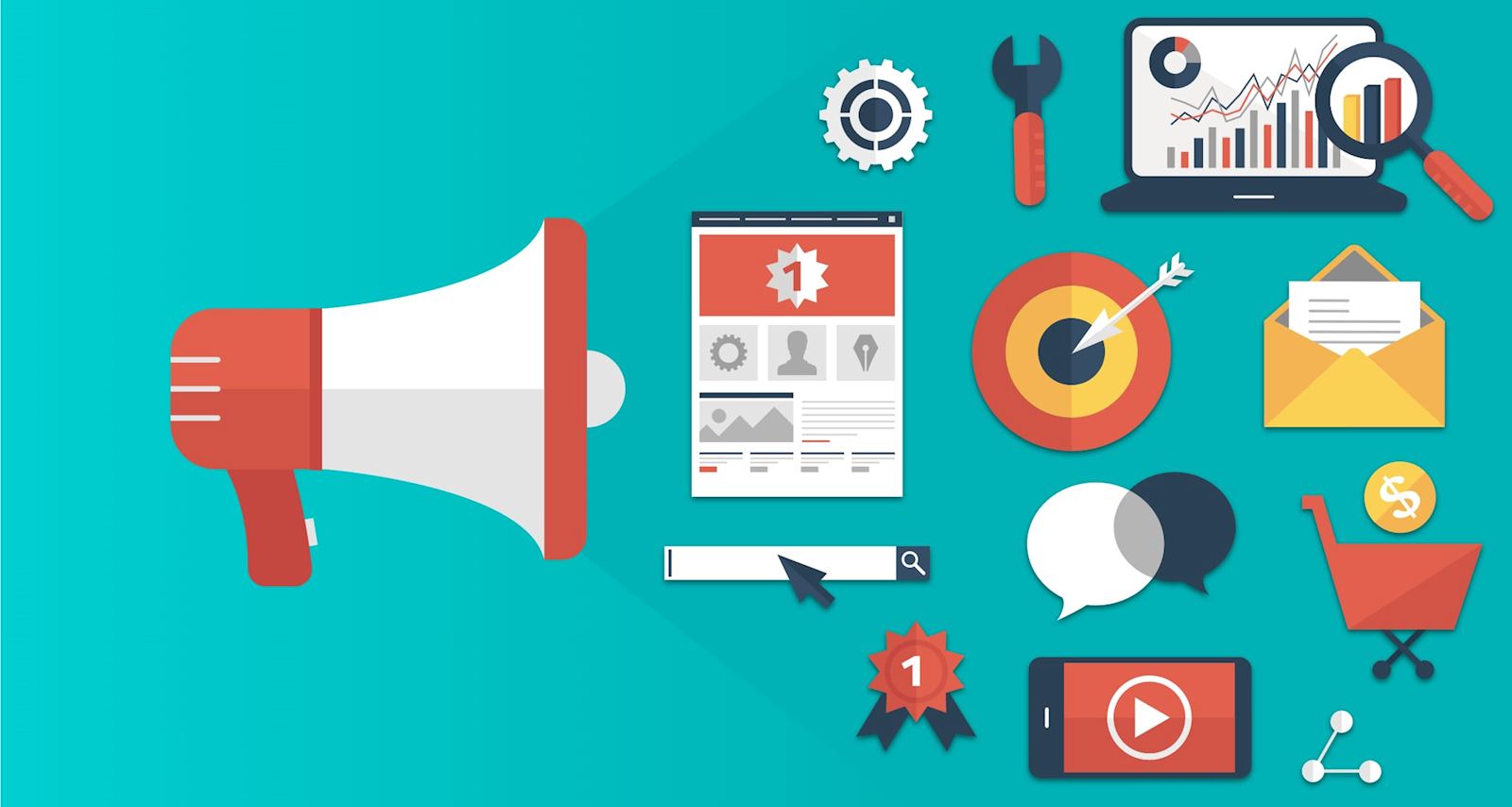
Different platforms suit different situations, so the right choice depends on how your customers behave.
Search advertising places your ad in front of people actively looking for something, such as an emergency electrician or a family lawyer. These users often have a clear need, so search ads suit businesses that provide a service people search for by name. The trade off is that you are competing with others for the same searches, and costs can rise in busy markets.
Social media advertising works differently. People are not searching for what you sell, so your ad interrupts what they were doing. This suits products and services that are visual, emotional or easy to understand at a glance, and it lets you target by interests, location and other characteristics. It often takes more creative effort to grab attention and build interest.
Retargeting shows ads to people who have already visited your website or interacted with your business. Because these people already know you, retargeting can be a useful way to remind them to come back and complete an enquiry or purchase.
A sensible starting point for many small businesses is to choose one platform that matches how customers find you, get it working and then consider adding another. Running three platforms with a small budget often means none of them gets a fair test.
Building Ads and Landing Pages That Convert
An ad only earns its cost if it leads to action. That depends on two things working together: the ad itself and the page people land on.
For the ad, keep the message clear and specific:
- Speak to a real need: Lead with the problem you solve or the benefit the customer wants.
- Be specific about your offer: Vague slogans are easy to ignore, while a clear description of what you provide stands out.
- Match the search or audience: Your message should feel relevant to the person seeing it.
- Include a clear call to action: Tell people what to do next, such as call, request a quote or book online.
- Stay honest: Avoid exaggerated claims you cannot support, since advertising rules and customer trust both matter.
For the landing page, send people to a page built for the ad, not just your homepage. A good landing page repeats the promise made in the ad, explains the offer simply, shows some proof of credibility and makes the next step easy. Keep forms short, make phone numbers clickable on mobile and remove distractions that pull visitors away from taking action.
Imagine, as a hypothetical example, that you run a pest control business in Brisbane. An ad that says “Get a fast, clear quote for ant and cockroach treatment” leading to a page with a short quote form, a summary of your service and your contact number will usually serve visitors better than an ad that leads to a general homepage where they have to hunt for the right information.
Budgeting, Testing and Tracking
Good advertising is a process of learning, and it depends on measurement. Without tracking, you cannot tell which ads bring real customers and which simply bring clicks.
Set up conversion tracking first. Make sure you can see when someone completes a valuable action, such as submitting a form, calling from the ad or booking an appointment. This turns raw click data into information you can use.
Start with a test budget. Choose an amount you can afford to spend while you learn, rather than committing a large sum upfront. Give campaigns enough time to gather meaningful data before making big changes, since judging too early can lead to poor decisions.
Test one thing at a time. Compare two headlines, two images or two offers, and change only one element between them. If you change everything at once, you will not know what made the difference.
Watch the numbers that matter. Useful measures include:
- Cost per lead: What you spend to receive each enquiry.
- Conversion rate: The share of visitors who take the desired action.
- Lead quality: Whether the enquiries are actually a good fit for your business.
- Cost per customer and return on spend: Whether the revenue generated justifies the investment.
Review your results regularly, pause what is not working and put more of your budget behind what is. Over time, small improvements add up.
When to Manage Ads In House and When to Outsource
Both approaches can work, and the right choice depends on your time, skills and budget.
Managing ads yourself can make sense when your budget is small, your campaigns are simple and you enjoy learning the platforms. It keeps costs down and gives you direct insight into what your customers respond to. The downside is the time it takes and the risk of expensive mistakes while you learn.
Outsourcing to a specialist can be worthwhile when campaigns become more complex, when you are spending enough that small inefficiencies add up, or when your time is better used running the business. A skilled provider brings experience with targeting, testing and tracking. If you go this route, look for clear reporting, transparent pricing and honest expectations, and make sure you keep ownership of your ad accounts and data.
Some businesses combine the two, handling simple campaigns in house and bringing in help for specific tasks such as setup, audits or scaling.
Final Thoughts
Ads that pay off are built on clear goals, the right platform, focused messaging and careful tracking. Start with a modest budget, test steadily and let the data guide your decisions. Paid advertising rewards patience and discipline more than big budgets, and even a small business can run effective campaigns by learning as it goes. Whether you manage your ads yourself or bring in expert support, the aim is the same: turn your advertising spend into real enquiries and customers.