
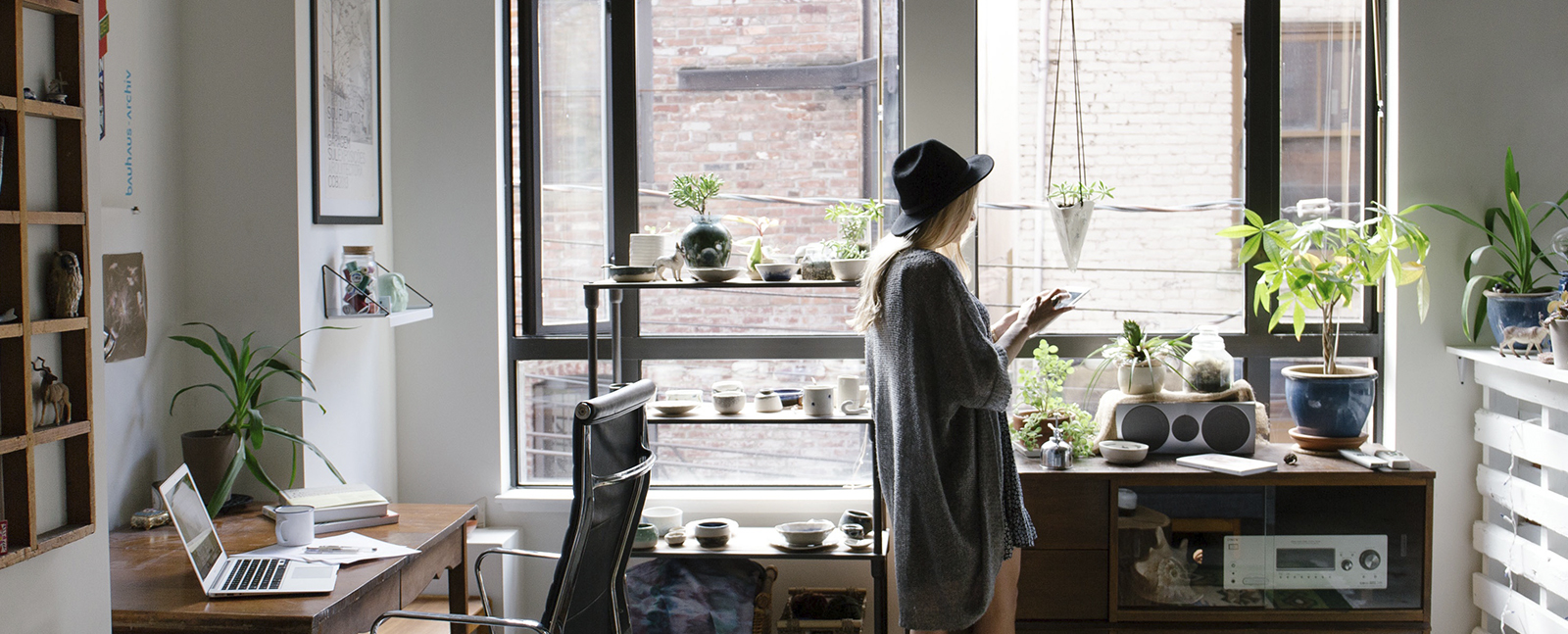
Walking into a Geelong Pilates studio for the first time is usually less intimidating than people imagine.
It’s also more structured than most gym classes.
You’ll likely step into a clean, quiet room, get a quick check-in from staff, and be guided to your spot without needing to guess what to do with your hands, your shoes, or your nervous energy. And yes, you’ll probably notice the vibe right away: calm, organized, and a little “we take technique seriously” (in a good way).
The studio itself: calm on purpose, not by accident
Most Pilates studios in Geelong are designed around one priority: controlled movement. That’s why the space tends to feel uncluttered, with clear walkways and stations that are laid out like someone actually thought about traffic flow. A well-designed Geelong pilates studio should make it easy to settle in, move safely, and stay focused from the moment class starts.
Expect:
– Defined mat spaces (so you’re not bumping elbows mid-roll-up)
– Reformers and props placed with consistency (the studio version of “mise en place”)
– Soft lighting and muted colours that reduce visual noise and keep you focused
– A noticeable emphasis on cleanliness: wipes, towel policies, and “please clean the equipment” reminders
Here’s the thing: if a studio looks chaotic, classes usually feel chaotic. I’m biased, but I’ve seen the correlation too many times to ignore it.
A quick reality check (and a stat) about why the calm matters
Pilates has a strong reputation for improving pain and function, particularly for the lower back, but it’s not magic. Good outcomes come from good instruction and safe progression.
A 2015 systematic review in Cochrane Database of Systematic Reviews found moderate-quality evidence that Pilates can improve pain and disability for people with chronic low back pain, at least in the short term (Yamato et al., 2015). That’s one reason reputable studios lean hard into alignment and control early on.
“Will I be the only beginner?” No. And even if you are, it’s fine.
Bold opinion: being the newest person in the room can be an advantage.
Beginners listen. They don’t rush. They don’t perform. That’s exactly what Pilates rewards. The regulars might look smooth, but they also started with shaky bridges and weird breathing patterns like everyone else.
How the class flows (the practical play-by-play)
This varies by studio and whether you’re doing mat or reformer, but the structure is surprisingly predictable.
Warm-up: your spine gets politely introduced to movement
You’ll do gentle mobility work: pelvic tilts, cat-cow variations, shoulder articulation, maybe some ribcage breathing. The instructor is watching how you move (not judging, just assessing).
Main set: breath + alignment + controlled effort
This is the “work” section, but it’s rarely frantic. You’ll practice foundational movement patterns and get cues like:
– neutral spine vs imprint
– ribcage “stacking”
– scapula control (shoulders down doesn’t mean jammed down)
– pelvic stability
Reps tend to be lower than typical fitness classes. Pilates is less “burn” and more “precision under tension.”
Cool-down: nervous system downshifts
Expect slower stretches, lengthening work, and a few breaths that feel almost suspiciously relaxing. You should leave feeling worked, not wrecked.
What to bring (don’t overpack)
Look, a Pilates class isn’t an expedition. You don’t need a giant bag full of “just in case” items.
Bring:
– Water bottle
– Small towel (especially if it’s a reformer class)
– Grip socks if the studio requires them (many do for hygiene and traction)
– A non-slip mat only if the studio doesn’t provide one (most do, but check)
Skip heavy jewellery. Avoid anything that swings, pinches, or gets caught when you’re rolling, twisting, or lying prone.
And please, form-fitting clothing helps. Not for aesthetics. For feedback. Instructors can’t correct alignment if your shirt is flapping over your ribcage like a flag.
Picking the right class level: don’t let ego book for you
Now, this won’t apply to everyone, but if you’re torn between “Beginner” and “Intermediate” because you’re generally fit… choose Beginner.
Pilates “difficulty” isn’t just strength. It’s coordination, breath control, timing, and joint positioning. A foundational class also gives instructors the chance to see your movement habits early, before you start loading them.
Quick self-check before you book
Ask yourself:
– Do I know what neutral spine feels like in different positions?
– Can I control my pelvis without gripping my lower back?
– Do I have any injuries, surgeries, persistent pain, or dizziness issues?
– Am I coming from a high-stress, high-tension baseline?
If you answered “not really” to the first two, that’s not a problem. It’s a perfect reason to start with fundamentals.
Etiquette in Geelong studios (it’s simple, but people still get it wrong)
Studios aren’t libraries, but they’re not loud group fitness rooms either. The general culture leans toward focus and respect.
A few habits that make you instantly “easy to have in class”:
– Arrive 5, 10 minutes early (late arrivals disrupt set-up and concentration)
– Keep your phone silent and off the floor space
– Put props back where they belong (not “near enough”)
– Wipe down equipment if that’s the studio policy
– If something hurts sharply, say so, quietly, quickly, without drama
Breathing is part of etiquette too, weirdly. Loud, stressed breathing can throw you off and distract others. Controlled breath keeps the room steady.
What instructors focus on early (and why you’ll hear the same cues repeatedly)
In early sessions, most Geelong Pilates instructors prioritize fundamentals that prevent you from “cheating” through movements.
Expect repeated coaching around:
– Pelvic and rib alignment (stacking matters)
– Scapular movement (your shoulder blades should move, not freeze)
– Core engagement that isn’t just sucking in your stomach
– Tempo control (fast reps hide instability)
In my experience, the best instructors don’t overwhelm you with anatomy jargon, but they also don’t dumb it down. They’ll give you one or two precise fixes, then let you feel the difference.
The gear you’ll likely see (and what it’s actually for)
A typical Geelong Pilates studio setup includes reformers, mats, and small props. The point isn’t variety for variety’s sake. Each tool gives your body clearer feedback.
Common equipment:
– Reformer: adjustable resistance, alignment support, controlled loading
– Small ball: proprioception, adductor engagement, spinal support
– Bands: shoulder stability, hip activation, added challenge without impact
– Foam roller: mobility work, balance, postural awareness
– Blocks/rings: alignment cues and targeted activation
Studios that label stations clearly and keep equipment consistent tend to run smoother sessions. Less confusion. More movement.
Preparing physically and mentally (a little of both goes a long way)
The night before: sleep, hydrate, don’t smash an intense leg workout and then act surprised that Pilates feels harder.
Right before class: do a tiny warm-up if you’re stiff. Five minutes is enough.
– cat-cow
– shoulder rolls
– hip circles
– a few slow bridges
Mentally, don’t aim for perfection. Aim for awareness. Pilates rewards attention more than aggression.
One-line truth:
You’re not there to prove anything.
Quick nerve reset you can use in the car park
If you’re anxious, try this (it works fast):
Inhale for 4, pause for 1, exhale for 6. Repeat 4, 6 rounds.
Then name:
– 3 things you can feel (feet on ground, air on skin, fabric on shoulders)
– 3 things you can hear
Your body stops scanning for danger and starts cooperating. It’s not woo. It’s basic nervous system steering.
If you show up early, dress for movement, and give yourself permission to be new, your first class will go smoothly. You’ll learn a lot, you’ll feel muscles you didn’t know you had, and you’ll walk out thinking, “Okay… I get why people get into this.”