

Many water leaks stay hidden for months. They sit behind walls, under concrete slabs, or beneath the ground, quietly doing damage long before anyone notices anything wrong. Often the first sign isn’t a puddle at all, it’s a water bill that’s suddenly much higher than usual. Knowing what to look for, and who to call, can be the difference between a straightforward fix and a major repair bill.
Common Signs of a Hidden Water Leak
Hidden leaks tend to show up through side effects rather than visible water. A few of the most common signs include:
- An unexplained spike in the water bill with no change in household usage
- Damp patches appearing on walls, ceilings, or flooring
- A musty smell or mould developing in one particular area
- The sound of running water when no tap or fixture is turned on
- Soft, soggy, or unusually green patches in the lawn or garden bed
Any single one of these could have another explanation, but a combination of two or more is a strong signal something’s leaking somewhere out of sight. Knowing how to find a water leak detection specialist in Perth early, rather than waiting to see if the problem resolves itself, can save thousands of dollars in structural repairs down the line.
Why Leaks Are Hard to Find Without the Right Equipment
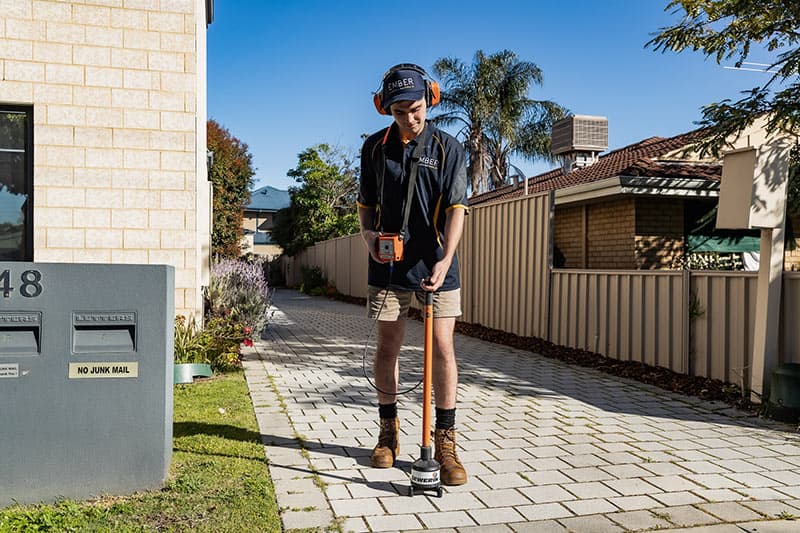
Slab leaks and underground pipe leaks aren’t visible by definition, since they’re sitting beneath concrete or soil. Wall cavity leaks are similarly tricky, since water can travel some distance along a pipe or down inside a wall before it ever shows up as a damp patch or stain on the surface.
A water meter check is a useful first step and can confirm that a leak exists somewhere in the system, but it can’t tell you where. Without proper equipment, tracking down the exact location usually means guesswork, which can lead to unnecessary digging or wall removal in the wrong spot entirely.
How Professional Leak Detection Works
Specialists use a combination of methods depending on the type of leak and where it’s suspected to be:
- Water meter and isolation testing: Confirms a leak exists and helps narrow down which part of the system it’s in
- Acoustic listening devices: Pick up the sound of water escaping under pressure, even through concrete or underground
- Thermal imaging: Detects temperature differences in walls or flooring caused by moisture
- Camera inspections: Allow a direct look inside pipes to spot cracks, joint failures, or blockages contributing to the leak
The goal of most of these methods is to pinpoint the leak’s exact location without unnecessary digging or demolition, so repairs can be targeted rather than exploratory.
What to Look for in a Leak Detection Specialist
Not every plumber has the equipment or experience for accurate leak detection, so it’s worth checking a few things before booking one in:
- Proper detection equipment on hand, rather than relying on trial-and-error digging
- Experience specifically with slab leaks and wall cavity leaks, which behave differently to visible pipe leaks
- A clear report on the leak’s location and cause before any repair work begins
- The ability to coordinate the repair itself once the leak is found, rather than just handing over a diagnosis and leaving
Getting a clear answer on location and cause before agreeing to repair work helps avoid paying for unnecessary excavation or wall removal.
What Happens After the Leak Is Found
Once the source is confirmed, the repair approach depends on where the leak is and how severe it is. Some can be repaired with a small, targeted excavation or wall access point, while others may need a section of pipe relined or replaced entirely.
Acting quickly matters here. The longer a leak runs unnoticed, the more time it has to cause water damage, encourage mould growth, or, in the case of slab leaks, contribute to foundation movement over time. What starts as a manageable repair can turn into a much larger job the longer it’s left.
If you’ve noticed a rising water bill, damp patches, or the sound of running water with everything turned off, it’s worth getting a proper inspection rather than waiting to see if it gets worse. Catching a hidden leak early is almost always cheaper and less disruptive than dealing with the damage it leaves behind.